Vertech Academy LogoVERTECH
LibraryFeaturesPricing
Log InGet Free Prompt
Back to Insights
Study
Heavy open textbook next to a glowing tablet with AI interface and dissolving price tags on a warm desk

5 AI Tools That Replace Expensive Textbooks in 2026

Vertech Editorial Mar 7, 2026 12 min read

Share

Table of Contents

Vertech Editorial

Mar 7, 2026

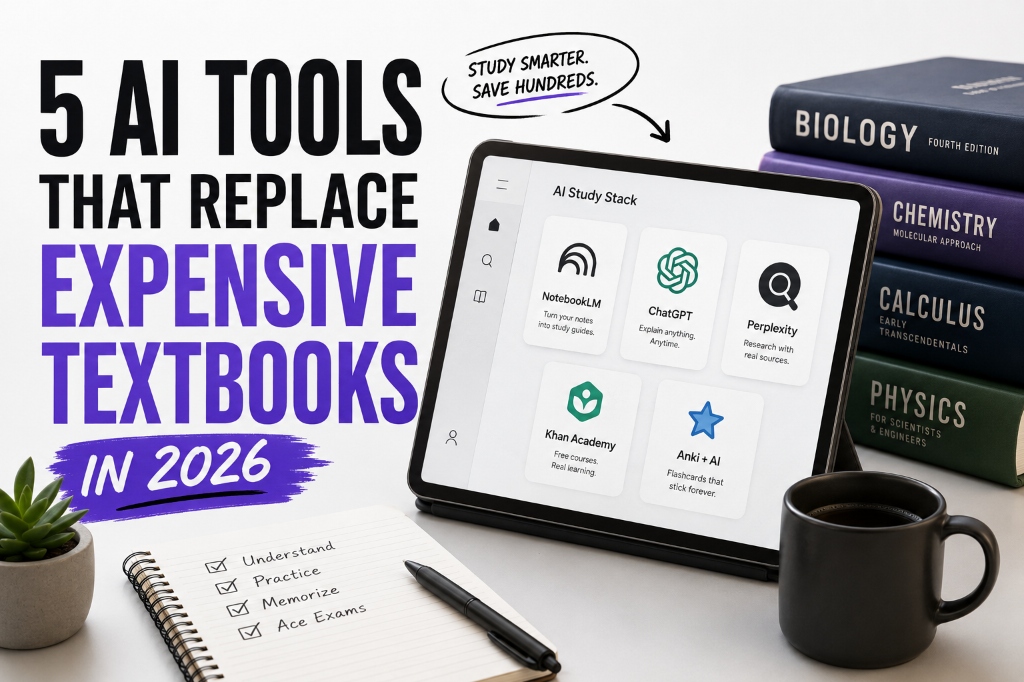
The average student spends $1,200 a year on textbooks. These 5 free AI tools cover most of what those books do, and some things they can not.

Watch Video
8 AI Tools for Students to Ace Any Subject FAST

8 AI Tools for Students to Ace Any Subject FAST·The Angry Explainer

The average college student in the United States spends about $1,200 per year on textbooks and course materials. That number comes straight from the Education Data Initiative's 2024 report, and it has only gone up since. Some STEM textbooks cost $300 or more for a single book you use for one semester. School is already expensive enough without spending rent money on a biology textbook you will open maybe 12 times.

Here is the thing: for most courses, AI tools now cover 80-90% of what a traditional textbook provides. They explain concepts, provide practice problems, summarize chapters, generate flashcards, and answer questions at any hour of the day. They are not perfect replacements for every situation (we will be honest about that), but for the majority of undergraduate coursework, these five free tools can save you hundreds of dollars per semester.

The Winners at a Glance

Tool Replaces Free Tier Best For
NotebookLMStudy guides, chapter summariesCompletely freeTurning lectures into study material
ChatGPTConcept explanations, tutoringGood (daily limits)Understanding hard topics
Perplexity AIResearch, cited answers5 Pro searches/dayFinding real sources fast
Anki + AIFlashcards, review booksCompletely freeMemorization and retention
Khan AcademyTextbook lessons, practiceCompletely freeStructured courses in STEM

1. NotebookLM: Your Free AI Textbook Companion

Google NotebookLM

Upload your own materials. Get source-grounded answers and audio overviews.

Free ↗

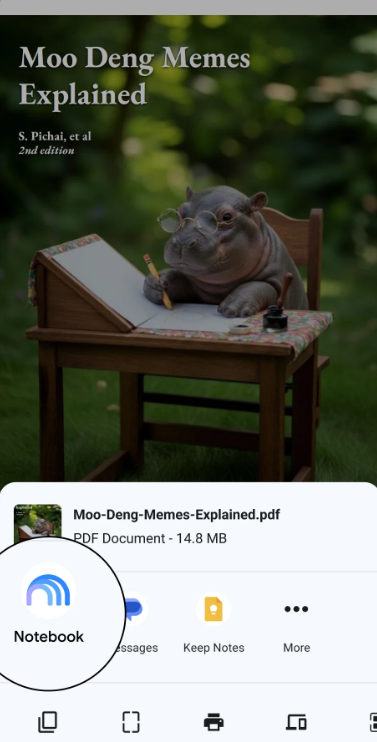
NotebookLM is the closest thing to having a personal tutor who only knows your course material. You upload your lecture slides, syllabus, any PDFs your professor shares, and even YouTube videos of relevant lectures. Then you ask it questions and every single answer comes directly from those sources, with citations.

Why this replaces a textbook: most students buy textbooks to look things up and review concepts. NotebookLM does both, but from the exact materials your professor uses. It can generate study guides, timelines, FAQs, and even audio overviews that turn your uploads into a podcast-style discussion you can listen to while walking to class. You get a customized reference that is more relevant than any general textbook because it is built from your actual course content.

Try this prompt:
"Create a comprehensive study guide from all my uploaded sources. Organize it by topic, include key definitions with the source they came from, and end with 10 potential exam questions."

2. ChatGPT: The Explainer You Wish Your Professor Was

ChatGPT

Ask anything, get plain-English explanations. Study Mode makes it Socratic.

Free ↗

Textbooks are written by experts for experts. They use dense academic language, assume you already know half the vocabulary, and somehow make interesting topics boring. ChatGPT does the opposite. Ask it to explain mitochondrial electron transport chains and it will use an analogy about a waterfall powering a mill. Ask it to break down supply and demand elasticity and it will talk about concert tickets.

The free tier gives you GPT-5.3 Instant for unlimited basic questions plus limited access to GPT-5.4 for harder problems. For most students, this is more than enough to replace the "explanation" function of a textbook. The key is to tell ChatGPT your current level of understanding so it does not over-simplify or overwhelm you.

Study Mode is your free study partner

ChatGPT's Study Mode (free for everyone) changes how it responds. Instead of just telling you the answer, it asks guiding questions and makes you work through the logic yourself. It is basically the Socratic method without needing to find a study partner at 11 PM.

Try this prompt:
"I am studying [topic] for my [subject] class. Explain it to me like I understand the basics but struggle with the advanced parts. Use a real-world analogy, then give me a practice problem to test my understanding."

Want a free AI tutor that adapts to you?

The Generalist Teacher prompt turns ChatGPT, Claude, or Gemini into a patient tutor that checks your understanding at every step.

Try the Generalist Teacher - Free →

3. Perplexity: Research Without Buying the Book

Perplexity AI

Search engine with cited answers. Every claim has a clickable source.

Free ↗

When you need to look something up for a paper or assignment, you used to flip to the index of your textbook, find the page, and read a dense paragraph that may or may not answer your actual question. Perplexity skips all of that. Ask it a question and it searches the web, synthesizes an answer from multiple sources, and gives you numbered citations you can click to verify.

Why cited sources matter

ChatGPT and Claude sometimes make up citations that look real but do not exist. Perplexity pulls from actual web results, so every source it gives you is real and clickable. For academic work where you need to cite things properly, this difference is critical. See our guide on using AI for research papers for the full citation-verification workflow.

The free tier gives you 5 Pro searches per day, which use more powerful models and search more sources. For quick lookups—"what is the difference between Type I and Type II errors"—the standard search is unlimited and more than enough. This replaces the reference function of a textbook: you no longer need to own the book just to look things up.

4. Anki + AI: Build the Flashcards Your Textbook Should Have Included

Anki

Free spaced repetition flashcards. Works on desktop, iOS, Android (web).

Free ↗

Textbook publishers love selling bundled flashcard packs for $40 extra. Here is a secret: AI-generated flashcards are better because they are made from your specific notes and lectures rather than generic textbook content.

The workflow is simple. After each lecture, paste your notes into ChatGPT and ask it to generate flashcards in "Q: / A:" format. Copy those into Anki, which uses a spaced repetition algorithm to show you cards right before you would forget them. This combination replaces both the textbook's review questions and expensive flashcard sets.

1

After lecture: Paste your notes into ChatGPT. Ask: "Turn these notes into 20 flashcards. Format as Q: on one line, A: on the next. Focus on definitions and key concepts."

2

Import to Anki: Copy the flashcards and paste them into Anki's import feature. Set tabs as the separator between question and answer.

3

Review daily: Anki's algorithm surfaces cards at the optimal moment. Ten minutes a day keeps an entire semester's worth of content in your head.

Try this prompt:
"Here are my lecture notes from [subject]. Generate 25 flashcards. Use 'Q:' and 'A:' format. Include 10 definition cards, 10 concept cards, and 5 application cards that ask me to apply a concept to a real scenario."

5. Khan Academy: The Free Video Textbook

Khan Academy

Full courses with video lessons, practice exercises, and progress tracking.

Free ↗

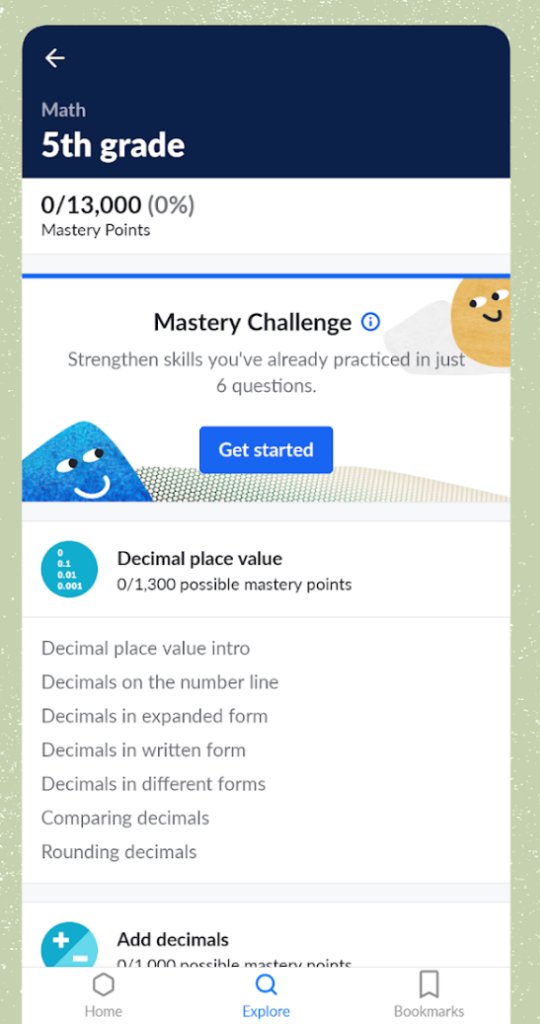
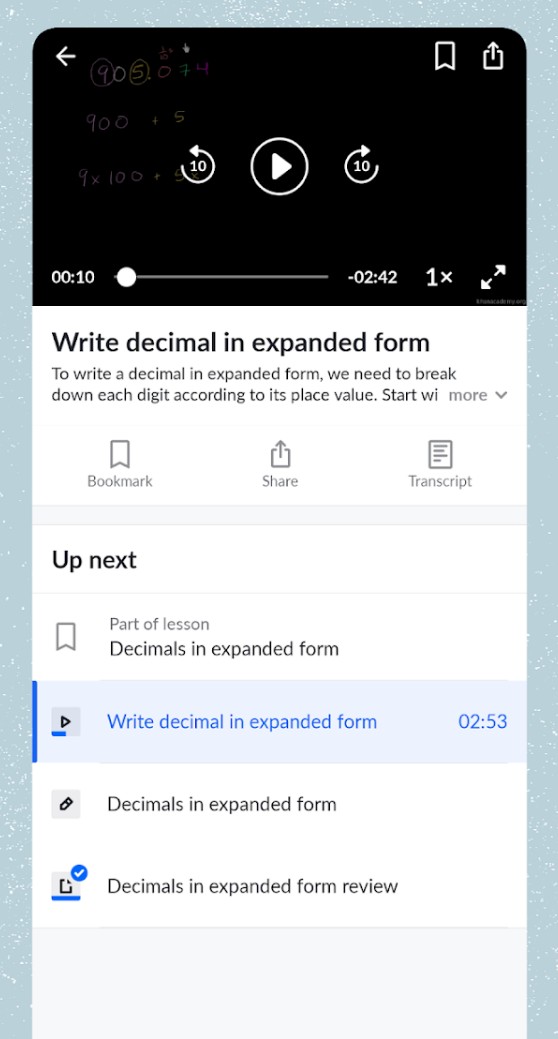
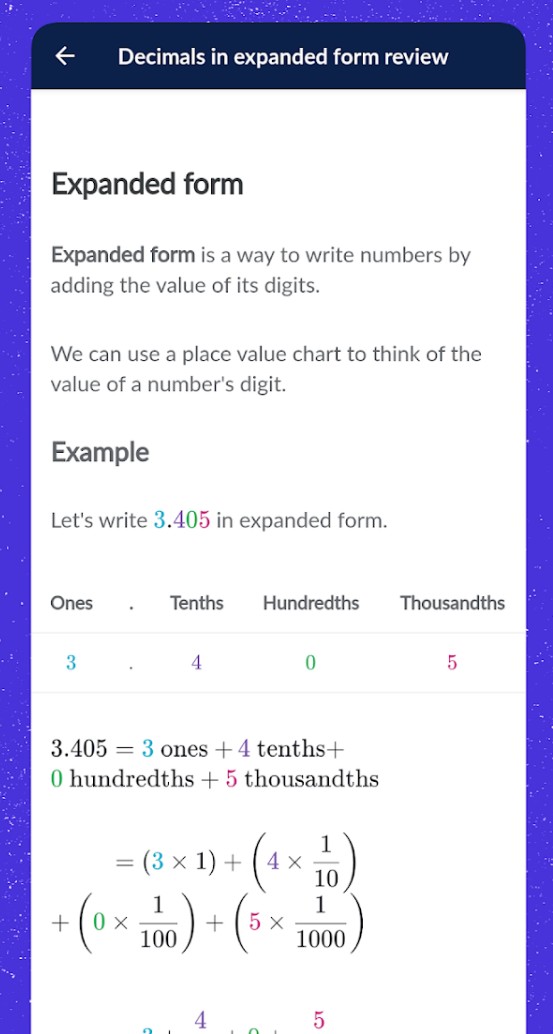
Khan Academy does not use generative AI like the other tools on this list, but it belongs here because it is the most complete free textbook replacement that exists. It covers math from arithmetic to multivariable calculus, sciences from biology to organic chemistry, economics, computer science, and more. Each course has video lessons, practice problems, and progress tracking.

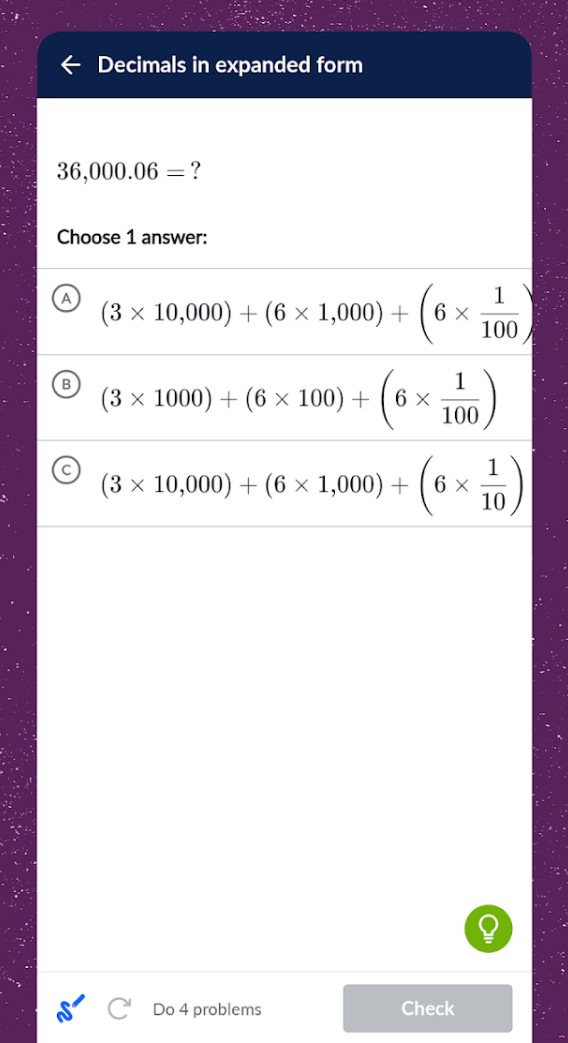
For subjects like calculus, statistics, and general chemistry, Khan Academy is often better than the textbook because seeing someone work through a problem on video is clearer than reading a static solution. The practice exercises give you instant feedback, something a textbook cannot do. And their new AI tutor, Khanmigo, can answer questions about the material in context.

The combination of Khan's structured courses with ChatGPT's flexibility covers most undergraduate content. Watch the Khan video first for the structured lesson, then use ChatGPT to drill deeper into anything you did not understand.

How to Stack These Into a Full System

Each tool fills a different gap that a textbook traditionally covered. Here is how to combine them into a complete study system that replaces the textbook for most classes.

1

Before class: Khan Academy

Watch the relevant Khan lesson to get a foundation before your professor's lecture. This is pre-reading without needing the textbook.

2

After class: NotebookLM

Upload today's slides and any readings. Generate a study guide and audio overview. Listen to the audio on your commute tomorrow.

3

Same evening: ChatGPT + Anki

Ask ChatGPT to explain anything confusing from the lecture, then generate flashcards and import them into Anki. Review for 10 minutes.

4

For assignments: Perplexity

When you need to look something up or find real sources for a paper, use Perplexity instead of buying a reference textbook.

5

Before the exam: Everything together

Review Anki daily. Use NotebookLM to generate a practice test from your sources. Use ChatGPT to explain anything you are still shaky on. Walk into the exam prepared.

This system costs zero dollars and takes about 30-45 minutes per class per week beyond your normal study time. Compare that to $300 for a textbook you barely open. For more study productivity strategies using AI, check out our guide on how to use ChatGPT to study.

What These Tools Cannot Replace

Honesty matters more than hype. There are situations where you still need the actual textbook:

You might still need the textbook if...

  • Your professor tests from the book. If exam questions reference specific chapters, figures, or textbook exercises, AI cannot replicate that.
  • Lab manuals with procedures. AI can explain the theory behind a lab, but it cannot replace step-by-step wet lab procedures.
  • Specialized technical references. Advanced engineering tables, medical atlases, and legal case books contain specific data that general AI tools do not have.
  • Required access codes. Some courses bundle textbooks with online homework platforms like Cengage or Pearson. If the homework counts toward your grade, you need the code.

For everything else, though, the combination of these five tools genuinely makes most textbooks optional. The students who save the most money are the ones who check with their professor during the first week: "Is the textbook required for specific assignments, or can I learn the material from other sources?" You might be surprised how many professors say the textbook is optional.

Want to see how all the best free AI tools compare beyond textbook replacement? Check out our comprehensive guide to the best free AI tools for students in 2026.

Want a free AI tutor that works with any tool?

The Generalist Teacher prompt adapts to your level, quizzes you, and explains concepts step by step. Works with ChatGPT, Claude, or Gemini on their free tiers.

Try the Generalist Teacher - Free →

3 Mistakes That Cost Students More Than the Textbook

Switching from textbooks to AI tools saves money, but doing it wrong can cost you grades. Here are the three most common mistakes students make when they ditch the textbook entirely.

Skipping the syllabus check

Some professors test from specific textbook sections, figures, or end-of-chapter problems. If you skip buying the book without checking first, you might miss content that shows up directly on the exam. Always ask during the first week whether the textbook is required for grading or just supplemental.

Relying on one tool only

ChatGPT can explain anything, but it sometimes gets details wrong. Perplexity has great sources but cannot tutor you interactively. NotebookLM only knows what you upload. The students who succeed are the ones who stack multiple tools so each one catches what the others miss. A single tool is not a textbook replacement. The system of five is.

Never verifying AI answers

Textbooks go through peer review. AI does not. If you memorize an explanation from ChatGPT without cross-checking it against another source, you might learn something incorrect and not realize it until the exam. Always verify key facts with at least one additional source, whether that is Khan Academy, your lecture notes, or Perplexity.

The underlying principle is simple: AI tools are powerful but imperfect. A textbook has been reviewed by editors and subject matter experts before publication. AI generates answers on the fly with no editorial review. That does not mean textbooks are always right or that AI is always wrong. It means you need to be an active, critical learner either way. The students who treat AI as a starting point for learning rather than the final word will always outperform the ones who just accept the first answer they get.

If this workflow interests you, our guide on NotebookLM vs ChatGPT vs Claude goes deeper into which tool handles what type of study material best.

Frequently Asked Questions

Can AI tools fully replace textbooks?
For most undergraduate courses, these tools cover 80-90% of what a textbook provides. The exceptions are lab manuals, specialized technical references, and courses where the professor tests directly from the textbook's specific exercises or figures.
Are these AI tools really free?
NotebookLM, Khan Academy, and Anki are completely free with no limits. ChatGPT has a generous free tier with daily caps. Perplexity gives you 5 Pro searches per day for free. You can realistically go an entire semester without paying for any of them.
What about open textbooks?
Open Educational Resources like OpenStax are excellent and completely free. They pair perfectly with AI tools. Upload an OpenStax chapter to NotebookLM or ChatGPT and you get the best of both worlds: a real textbook plus an AI study assistant, all for zero dollars.
Will my professor accept AI-based studying instead of the textbook?
Most professors care about whether you learned the material, not how you learned it. Ask during the first week whether the textbook is truly required or just recommended. You might be surprised how many professors say it is optional.
How do I know if the AI explanation is accurate?
Cross-reference with at least one other source. If ChatGPT, Perplexity, and Khan Academy all explain a concept the same way, it is almost certainly correct. If they disagree, dig deeper. This verification habit is actually better for learning than blindly trusting a single textbook.
#Free Tools#Textbook Alternatives#NotebookLM#ChatGPT#Perplexity#Student Budget#Khan Academy
Three glowing orbs representing ChatGPT, Claude, and Gemini AI on a dark surface
Study11 min read

ChatGPT vs Claude vs Gemini: Best AI for Studying

ChatGPT excels at math, Claude at writing, and Gemini at research. Here's exactly which AI to open for every study task in 2026.

Continue Reading

Listen to this article

Loading voices...

The Winners at a Glance
1. NotebookLM: Your Free AI Textbook Companion
2. ChatGPT: The Explainer You Wish Your Professor Was
3. Perplexity: Research Without Buying the Book
4. Anki + AI: Build the Flashcards Your Textbook Should Have Included
5. Khan Academy: The Free Video Textbook
How to Stack These Into a Full System
What These Tools Cannot Replace
3 Mistakes That Cost Students More Than the Textbook
Frequently Asked Questions
00:0000:00

Audio powered by your browser's built-in voice engine·Shift + Space to play/pause

00:00 / 00:00
👋 Welcome back — resuming…

Want to actually retain what you just read?

The Generalist Teacher walks you through it until it clicks — no passive reading.

Try the Generalist Teacher →

Just read about "5 AI Tools That Replace Expensive Textbooks in 2026"? Put it into practice.

Join thousands of students using AI study prompts to understand material faster, ace exams, and cut study time in half.

Start Free — No Card NeededSee all plans
60-day money-back guarantee on all paid plans

One subscription.
Every prompt. Done.

Every study prompt in the library. $199/year = $0.55/day.

Monthly

$29/mo

Best Value

Annual

$249$199/yr

$0.55/day — less than a coffee

VIP

$299/yr

⚡ Save $149/yr vs. monthly. Launch pricing ends soon.

Get Instant Access — No Credit Card

60-day money-back guarantee · Prompts updated monthly

Vertech AcademyVERTECH ACADEMY

The prompts your classmates are using.

vertechacademy@gmail.com

Product

Prompt LibraryPricing

Learn

BlogFAQGuarantee

Legal

Privacy PolicyTerms of Service

© 2026 VERTECH ACADEMY. ALL RIGHTS RESERVED.

For students who are done guessing.