Introduction: The Comparison Trap
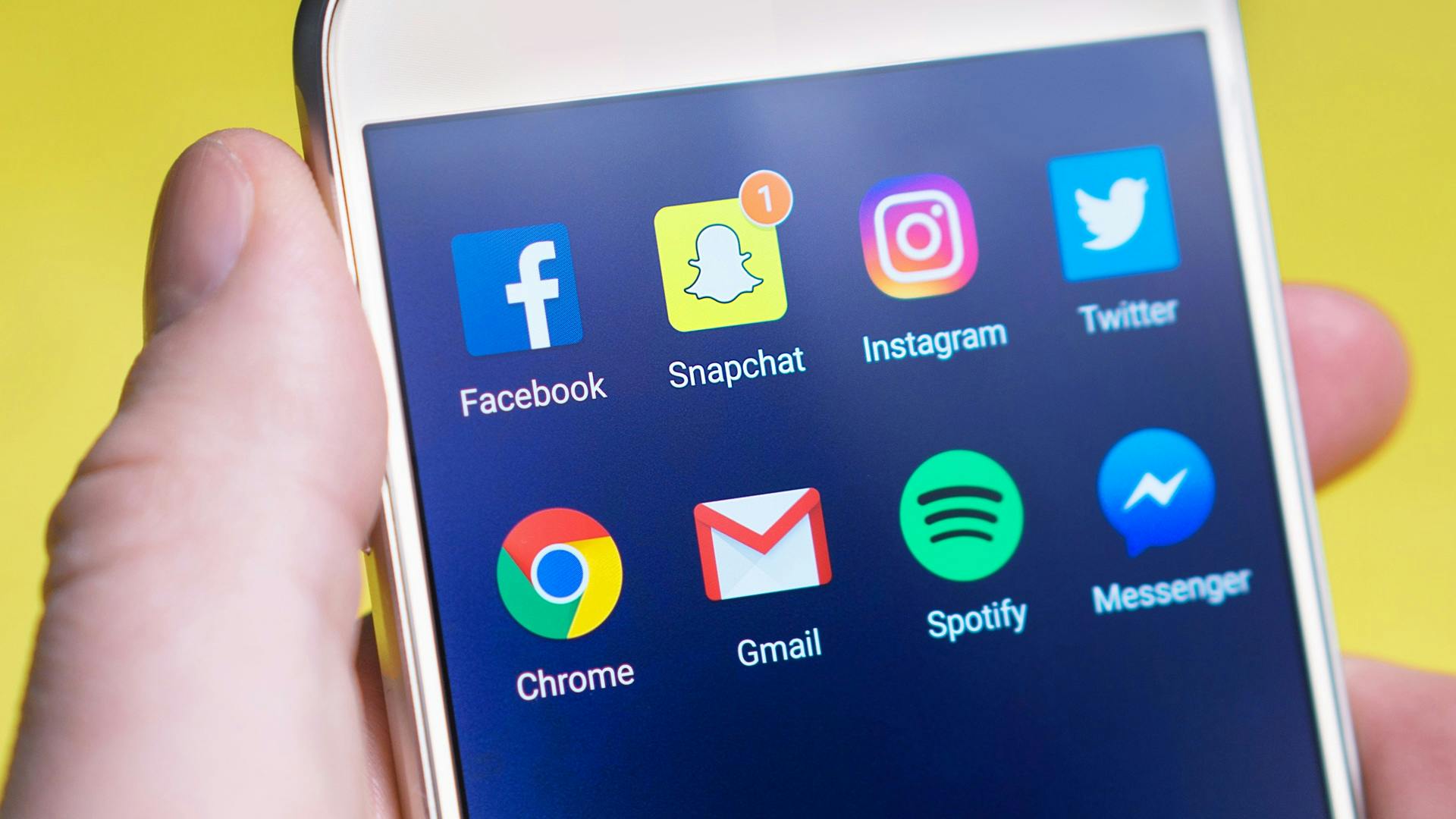
If you look at your teenager’s Instagram or TikTok feed, you will see a world that doesn't exist. You see poreless skin, perfect vacations, and friends who are always happy.
For an adult, it is easy to say, "That is just a filter." But for a teenager, it feels like reality.
Research shows that 90% of girls follow at least one social media account that makes them feel less beautiful. When teens compare their messy, real lives to the polished, edited images of influencers, their self-esteem crashes.
This article isn't about deleting apps. It is about teaching your teen to put on "digital glasses" so they can see the truth behind the post.
1. Explain the "Highlight Reel" Rule
The first step is to explain how social media actually works. It is not a diary; it is a gallery.
Use this analogy: "Comparing your life to an influencer's feed is like comparing your unedited home movies to a Hollywood blockbuster."
The Rule: You are comparing your insides (your doubts, boredom, and messy room) to someone else's outsides (their best angle, best lighting, and best day).
2. Play "Spot the Edit"
Many teens don't realize how heavy the editing is. They think people actually look like that. Turn this into a game of digital detective work.
Sit down with your teen and look at a "perfect" photo. Ask them to look for the glitches that reveal the lie:
Warped Backgrounds: Look at the lines of walls or doorframes behind a person. If they are curvy, the body has been liquified.
Missing Pores: Human skin has texture. If a face looks like smooth plastic, it is a filter.
Impossible Lighting: If the sun is behind them but their face is perfectly lit, that is professional editing.
3. The "Unfollow" Purge
Teens often feel obligated to follow people, friends, celebrities, or "aesthetic" accounts—even if those accounts make them feel terrible.
Challenge your teen to a "Feed Detox":
Open Instagram or TikTok.
Scroll for 5 minutes.
Pay attention to your body. Do you feel jealous? Sad? Anxious?
The Rule: If an account makes you feel bad about yourself, unfollow it immediately. No exceptions.
Encourage them to replace these accounts with creators who are funny, educational, or "body neutral."
4. Have "The Selfie Talk"
Filters are fun, but they can be dangerous. When teens use beauty filters constantly, they can develop "Snapchat Dysmorphia"—a condition where they hate their real face because it doesn't match their filtered face.
You don't need to invent this conversation from scratch. The Dove Self-Esteem Project offers free guides and videos to help parents talk to kids about toxic beauty standards.
Key questions to ask your teen:
"Why do you think this influencer used a filter?" (Answer: To sell something or get likes).
"Does using this filter make you feel better or worse when you turn the camera off?"
Conclusion: Reality is Enough
The goal isn't to make your teen hate social media. It is to make them smart consumers of it.
When they understand that the "perfect life" is a product being sold to them, they stop buying it. They learn that their real, unfiltered life is actually enough.