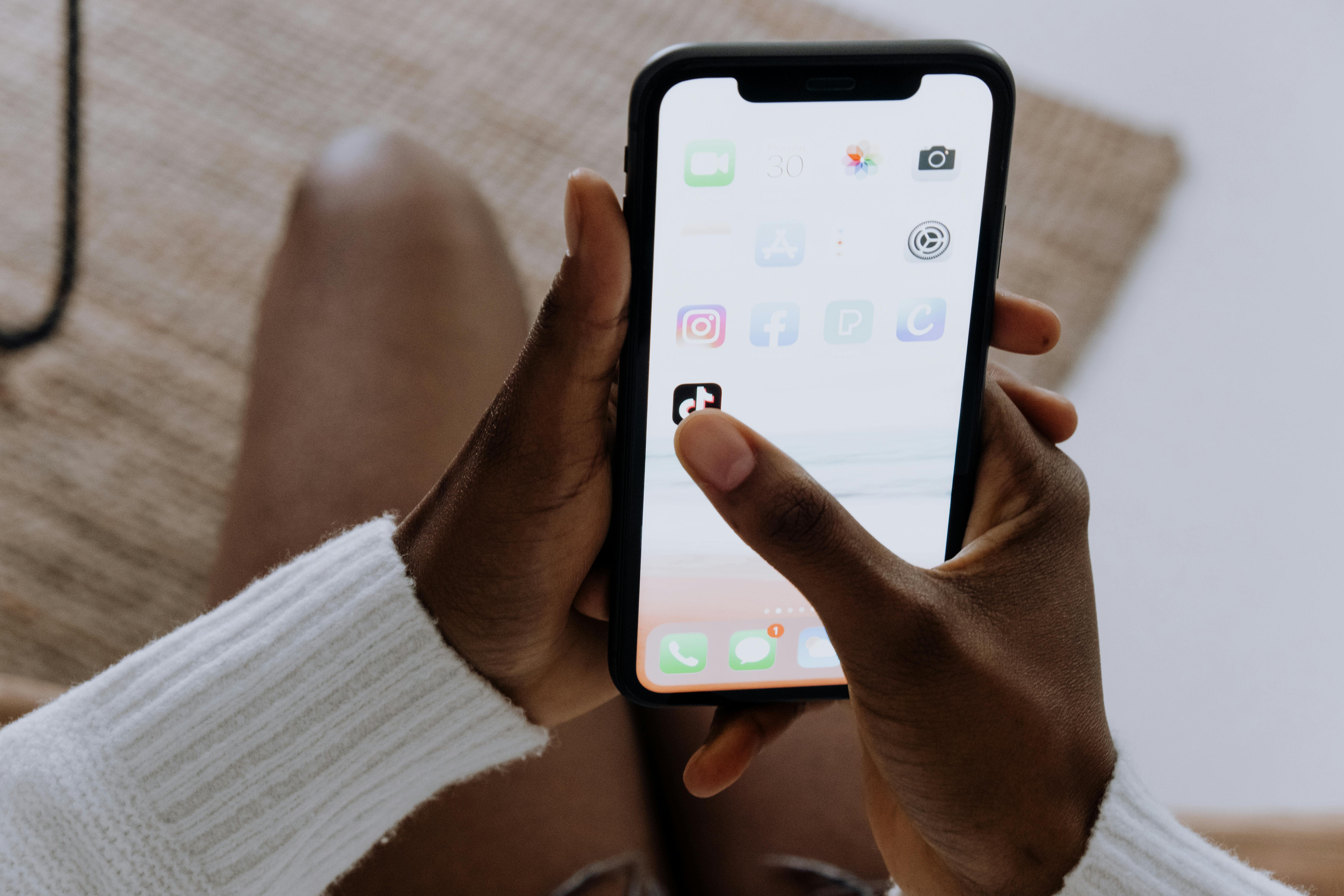
Introduction: The "Popcorn Brain" Epidemic
Does this sound familiar? You sit down to read a book, but after two pages, you are reaching for your phone. You try to watch a movie, but you are also scrolling Instagram.
You are not "lazy." You are biologically conditioned.
Psychologists call this "Popcorn Brain", a state where your mind is so accustomed to the rapid-fire stimulation of 15-second videos that real life feels agonizingly slow. The average attention span has dropped from 2.5 minutes in 2004 to just 47 seconds today.
The good news? Your brain is plastic. You can train it to focus again. Here is how to break the dopamine loop and reclaim your mind.
1. Understand the Dopamine Loop
Apps like TikTok and Snapchat are designed like slot machines. Every swipe gives you a random chance of a reward (a funny video), which releases a hit of dopamine in your brain.
When you try to do homework or read, there is no immediate dopamine hit. Your brain panics and craves the phone to get its "fix."
The Fix: Acknowledge the craving. Tell yourself (or your teen), "I am not bored; I am just withdrawing from cheap dopamine."
2. Practice "Monotasking"
Multitasking is a myth. When you switch between homework and texting, you aren't doing two things at once; you are doing two things poorly. This "context switching" lowers your IQ and increases stress.
The Challenge: Pick one task (e.g., washing dishes, walking the dog) and do it without headphones or a phone.
Why it works: It forces your brain to tolerate silence. Boredom is not the enemy; it is the gym for your attention span.
3. Use Friction to Your Advantage
Willpower is weak; friction is strong. If your phone is next to you, you will pick it up. You need to make the bad habit hard to do.
The "20-Second Rule": Make it take 20 seconds longer to check your phone.
Put it in another room.
Turn off FaceID so you have to type a long password.
Delete the apps that steal your time (you can reinstall them on the weekend).
4. Train with the Pomodoro Technique
You cannot run a marathon without training, and you cannot focus for 4 hours straight right away. Start small.
The Method:
Set a timer for 25 minutes.
Work on ONE task until the timer rings.
Take a 5-minute break (stretch, get water, but NO scrolling).
Repeat.
Tools like Focus To-Do gamify this process, helping students track their "focus streaks".
5. Use Technology to Block Technology
Sometimes you need a digital lock on the door. App blockers are essential tools for modern students.
Conclusion: Focus is a Superpower
In a world where everyone is distracted, the ability to focus is a competitive advantage. The student who can sit for two hours and write an essay without checking their phone will run circles around the peers who can't.
Start with just 25 minutes today. Your brain will thank you.