Introduction: Speak the Language
If you have sat in a school meeting recently, you might have heard terms like "LLM," "adaptive learning," or "prompts" thrown around. It can feel like everyone is speaking a different language.
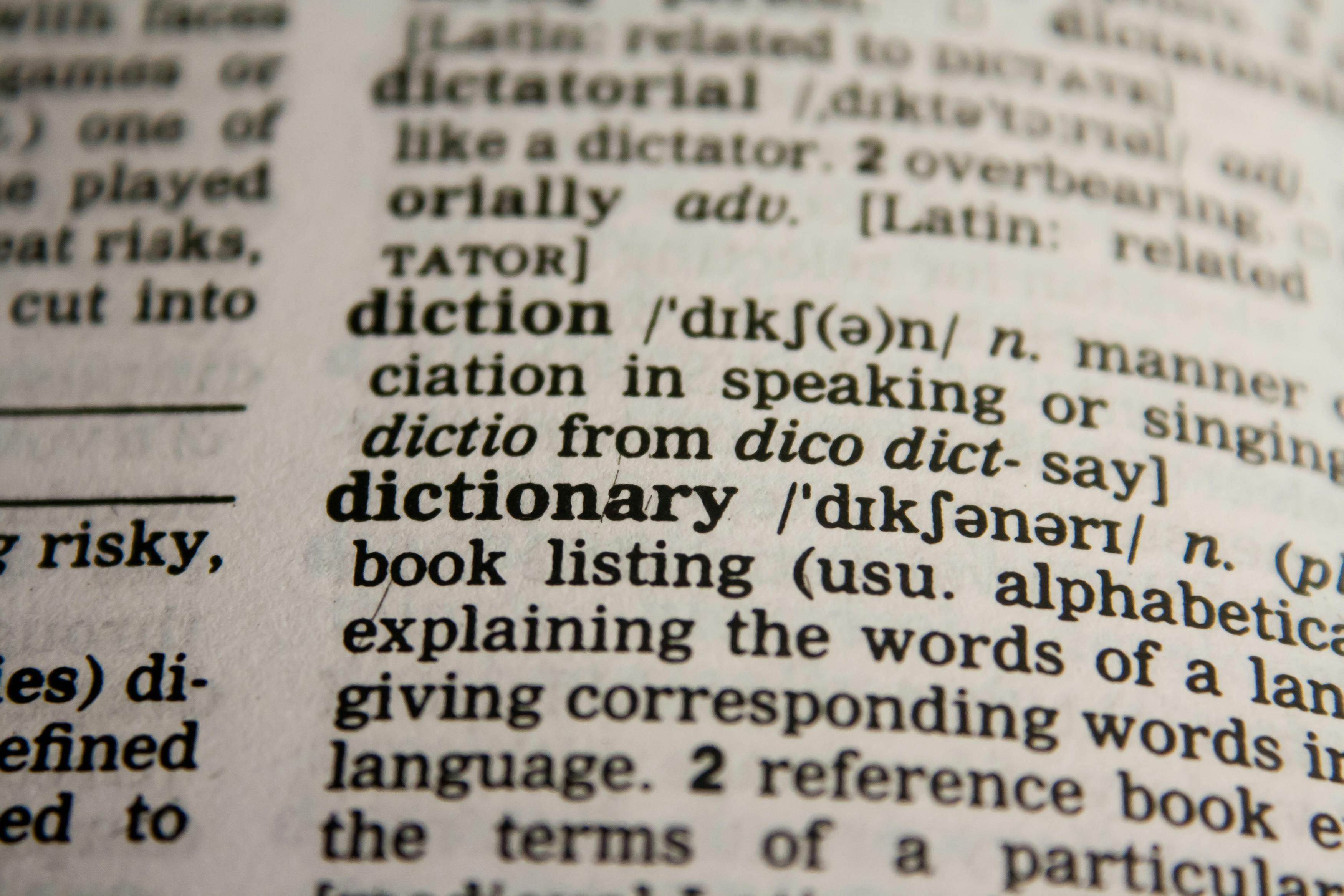
You do not need a computer science degree to understand these tools. This glossary breaks down the most common AI terms into plain English, so you can understand exactly what is happening in your child's classroom.
The Essentials
1. Artificial Intelligence (AI)
What it is: A computer program that can do tasks that usually require human intelligence. Think of it like: A very smart calculator. A normal calculator handles numbers; AI handles words, pictures, and patterns. It creates "high-quality, personalized" content in minutes.
2. Generative AI (GenAI)
What it is: A specific type of AI that can create new things. Think of it like: An artist or a writer. While older software could only organize data, Generative AI can write an essay, draw a picture, or compose a song from scratch. Tools like ChatGPT are Generative AI.
3. LLM (Large Language Model)
What it is: The "engine" inside the AI car. It is the technology that powers chatbots like ChatGPT and Gemini. Think of it like: A super-powered autocomplete. You know how your phone guesses the next word you want to type? An LLM does that, but it has read almost the entire internet, so it can guess whole paragraphs and ideas.
4. Chatbot
What it is: The program you actually talk to. Think of it like: A text message conversation with a robot. You type a question, and the "chatbot" answers back instantly. Schools often use these for "student support" to answer queries around the clock.
The "Action" Words
1. Artificial Intelligence (AI)
What it is: A computer program that can do tasks that usually require human intelligence. Think of it like: A very smart calculator. A normal calculator handles numbers; AI handles words, pictures, and patterns. It creates "high-quality, personalized" content in minutes.
2. Generative AI (GenAI)
What it is: A specific type of AI that can create new things. Think of it like: An artist or a writer. While older software could only organize data, Generative AI can write an essay, draw a picture, or compose a song from scratch. Tools like ChatGPT are Generative AI.
3. LLM (Large Language Model)
What it is: The "engine" inside the AI car. It is the technology that powers chatbots like ChatGPT and Gemini. Think of it like: A super-powered autocomplete. You know how your phone guesses the next word you want to type? An LLM does that, but it has read almost the entire internet, so it can guess whole paragraphs and ideas.
4. Chatbot
What it is: The program you actually talk to. Think of it like: A text message conversation with a robot. You type a question, and the "chatbot" answers back instantly. Schools often use these for "student support" to answer queries around the clock.
The "Action" Words
5. Prompt
What it is: The instructions you type into the AI. Think of it like: Googling. If you type a bad search term into Google, you get bad results. If you give a vague "prompt" to AI, you get a vague answer. Teachers now use specific "prompt packages" to get the best results for lesson planning.
6. Prompt Engineering
What it is: The skill of writing good prompts to get the best result. Think of it like: Learning how to phrase a wish to a genie. "Make me rich" is a bad wish (you might get fake money). "Give me one million US dollars in cash" is a good wish. Students need to learn this skill to use AI effectively.
7. Hallucination
What it is: When the AI lies confidently. Think of it like: A student guessing on a test but sounding very sure of themselves. AI can make up facts, dates, or book titles that do not exist. This is why "human insight" is still required to check the work.
The Classroom Tools
8. Adaptive Learning
What it is: Software that changes based on how your child answers. Think of it like: A video game that gets harder if you are winning or easier if you are losing. These systems "adjust lessons based on performance" so your child is never bored or overwhelmed.
9. Assistive Technology (AT)
What it is: Any tool that helps a student with a disability perform a task. Think of it like: Glasses for the brain. AI tools can act as AT by providing "speech recognition, text-to-speech, or visual aids" for learners with disabilities.
10. Natural Language Processing (NLP)
What it is: The technology that allows computers to understand and speak human languages (English, French, Spanish) instead of just computer code. Think of it like: A universal translator. It is what allows AI to help design "structured, engaging, and differentiated lessons" just by reading a teacher's plain English instructions.
Conclusion
Now that you know the vocabulary, you can feel more confident asking questions at your next parent-teacher conference. If a teacher mentions an "adaptive learning tool," you know they mean software that adjusts to your child's pace.
Understanding these terms helps you move from being an observer of your child's education to being an active partner in it.