Introduction: The "Grounded" AI Revolution
Most AI tools are like a know-it-all friend who guesses when they don't know the answer. You ask about history, and they might invent a war that never happened.
NotebookLM is different.
It is the first major AI designed to be "grounded" in your documents. It doesn't look at the whole internet; it only looks at the PDFs, Google Docs, and text files you upload. If the answer isn't in your notes, it won't invent it.
For students, this is a dream come true. It reduces the risk of hallucinations significantly. But just because it is safer doesn't mean it is cheat-proof.
Here is how to use NotebookLM to supercharge your research while keeping your academic integrity intact.
1. What Makes NotebookLM Different? (The "Box" Theory)
Imagine a box.
ChatGPT is a box that contains the entire internet. It is smart but easily distracted.
NotebookLM is an empty box. It knows nothing until you put your files inside.
Because it is restricted to your sources, it is the perfect tool for synthesis—combining multiple sources into one argument.
The Ethical Superpower: Since you have to provide the source material, you are the curator. You aren't asking the AI to "write my paper"; you are asking it to "organize my library." This keeps you in the driver's seat of the research process.
2. The "Audio Overview" Hack (Podcast Your Notes)
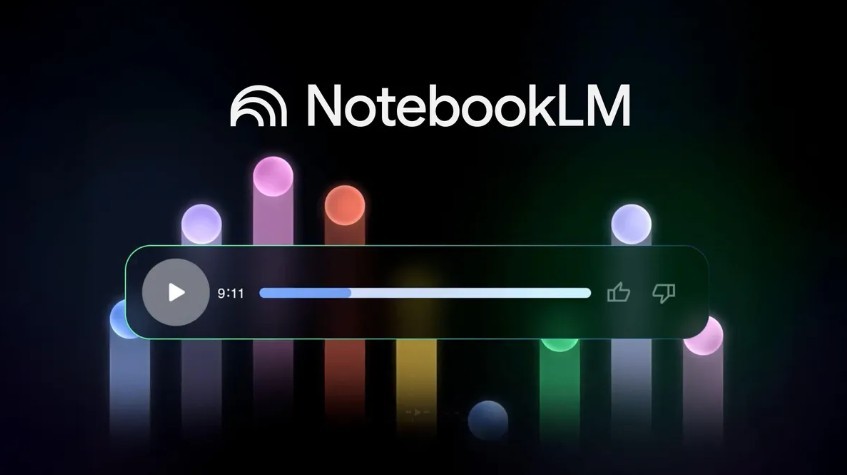
One of the wildest features of NotebookLM is the Audio Overview. It takes your boring history readings and turns them into a lively "podcast" where two AI hosts discuss the material.
How to use it ethically:
The Commuter Strategy: Listen to the audio summary while walking to class or driving. This helps you get the "big picture" before you dive into the deep reading.
The "Gap" Check: Listen for what the hosts don't say. If they miss a key point you thought was important, go back and re-read that section to make sure you understood it correctly.
Warning: Do not quote the podcast hosts in your essay. They are summarizing, and they might oversimplify. Always quote the original text.
3. Synthesizing Multiple Sources (The "Mash-Up")
Writing a research paper usually involves comparing Source A with Source B. This is hard mental work. NotebookLM excels here.
You can upload a PDF of Hamlet and a PDF of a modern psychology textbook, then ask:
"Based strictly on these two documents, how would the psychology textbook diagnose Hamlet?"
Why this is safe: The AI isn't googling "Hamlet psychology." It is strictly comparing the two texts you provided. You are using the tool to find connections, but you still have to verify them.
Citation Tip: When you use this method, NotebookLM provides inline citations (little numbers) that jump directly to the paragraph in your uploaded PDF. This makes it incredibly easy to find the exact quote you need to cite in your paper.
4. The "Suggested Questions" Feature
Sometimes you stare at a complex scientific paper and don't even know what to ask.
When you upload a source, NotebookLM automatically generates Suggested Questions.
"What are the three main arguments against this theory?"
"How does the author define 'inflation'?"
Use these questions as a jumping-off point for your outline. They act like a "reading guide" that a teacher might give you.
5. The "Source Guide" Rule
To ensure you never cross the line into cheating, follow the Source Guide Rule:
"I will only ask NotebookLM questions about documents I have actually read."
If you upload a book you haven't read and ask for a summary so you can skip the reading, that is academic dishonesty (and you will likely miss the nuance). If you upload a book you have read and ask for a summary to refresh your memory, that is smart studying.
Conclusion: Your Personal Research Assistant
NotebookLM represents the future of AI for students: tools that are personalized, private, and grounded in real data.
By using it to synthesize your library, "podcast" your notes, and find connections between texts, you can cut your research time in half without cutting corners on your learning
Google NotebookLM: A Guide for Students and Educators