Professors Aren't Hiding the Ball - You're Just Not Looking in the Right Places
Here's something most students don't realize until it's too late: professors almost always telegraph what's going to be on the final. Not directly, usually. But the clues are there.
They repeat certain topics. They slow down on some slides. They build entire assignments around specific concepts. If you know where to look, you can build a pretty accurate prediction list before you study a single page - and spend your time on what actually matters.
The Five Places the Clues Are Always Hidden
Go through each of these before you decide what to study. They'll give you a map.
The Syllabus
It lists exactly which chapters and topics the exam covers. Cross-reference it against your notes to see what you actually got through and what you missed.
Old Exams
Past tests are the most accurate signal of what's coming. Look for recurring question types, topics that appear every semester, and how questions are phrased.
Class Slides
Look for topics that got their own full slide section, bold terms, and anything the professor added that isn't directly from the textbook. Those are always worth prioritizing.
What the Professor Emphasized
Topics they came back to more than once, things they said "you should really know this," and concepts that appeared in more than one lecture - these are the safest bets.
The Study Guide (If There Is One)
If your professor gave you a study guide, treat it as a gift. Every single item on it is either on the exam or close to something that is. Don't study around it - study it directly.
How to Build Your Own Prediction List
Take everything from those five sources and run it through this process.
Gather the clues
Go through all five sources and write every topic down. Don't filter yet - just collect.
Sort by frequency
Topics in multiple sources go to the top. The more overlap, the higher the priority.
Study in that order
Work down from highest to lowest priority. If time runs out, you'll have covered what matters most.
How to Use AI to Narrow It Down Further
💡 Try this prompt
"Here are my notes from [subject]. Based on the topics covered and the way they're organized, what are the 10–15 concepts most likely to appear on a final exam? List them in order of priority."
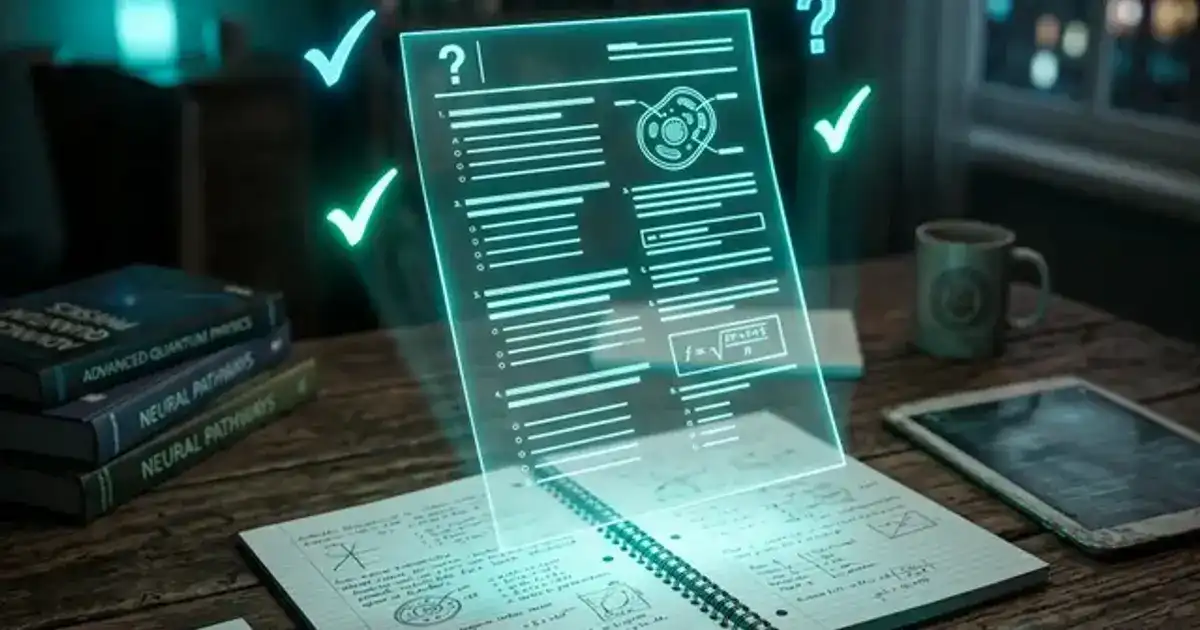
Paste your notes or slides into ChatGPT or use our Chemistry Tutor prompt to get a breakdown of what's most testable - and then have it quiz you on those exact concepts.
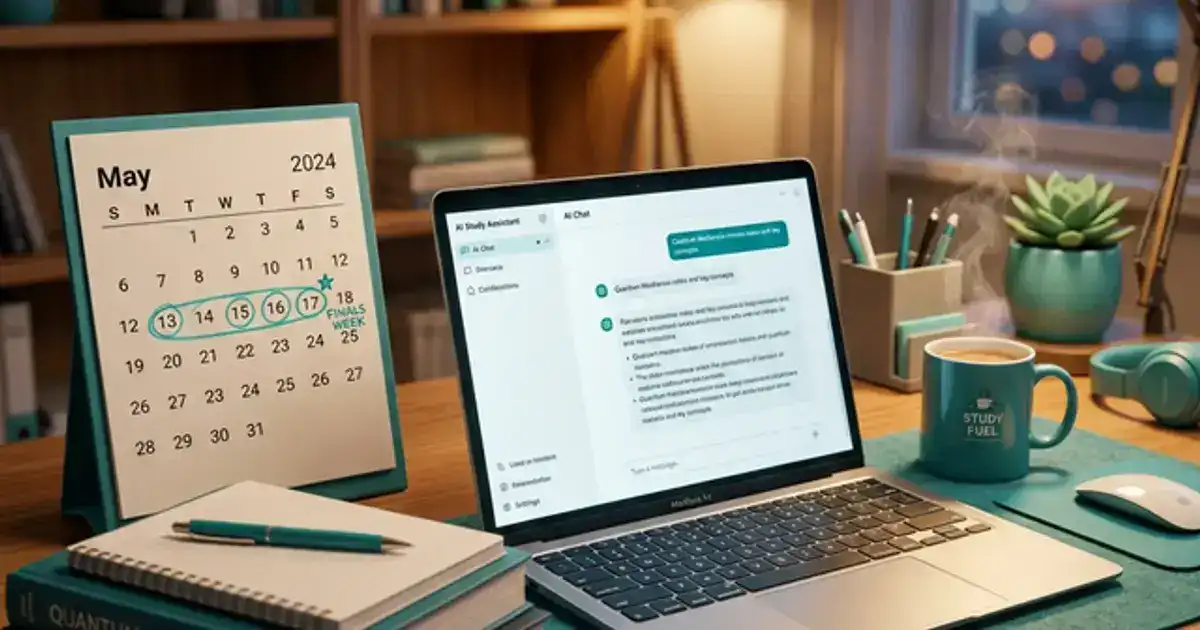
The combination of your prediction list and AI-powered practice testing is genuinely the most efficient way to prepare for a final when you're short on time.