Introduction
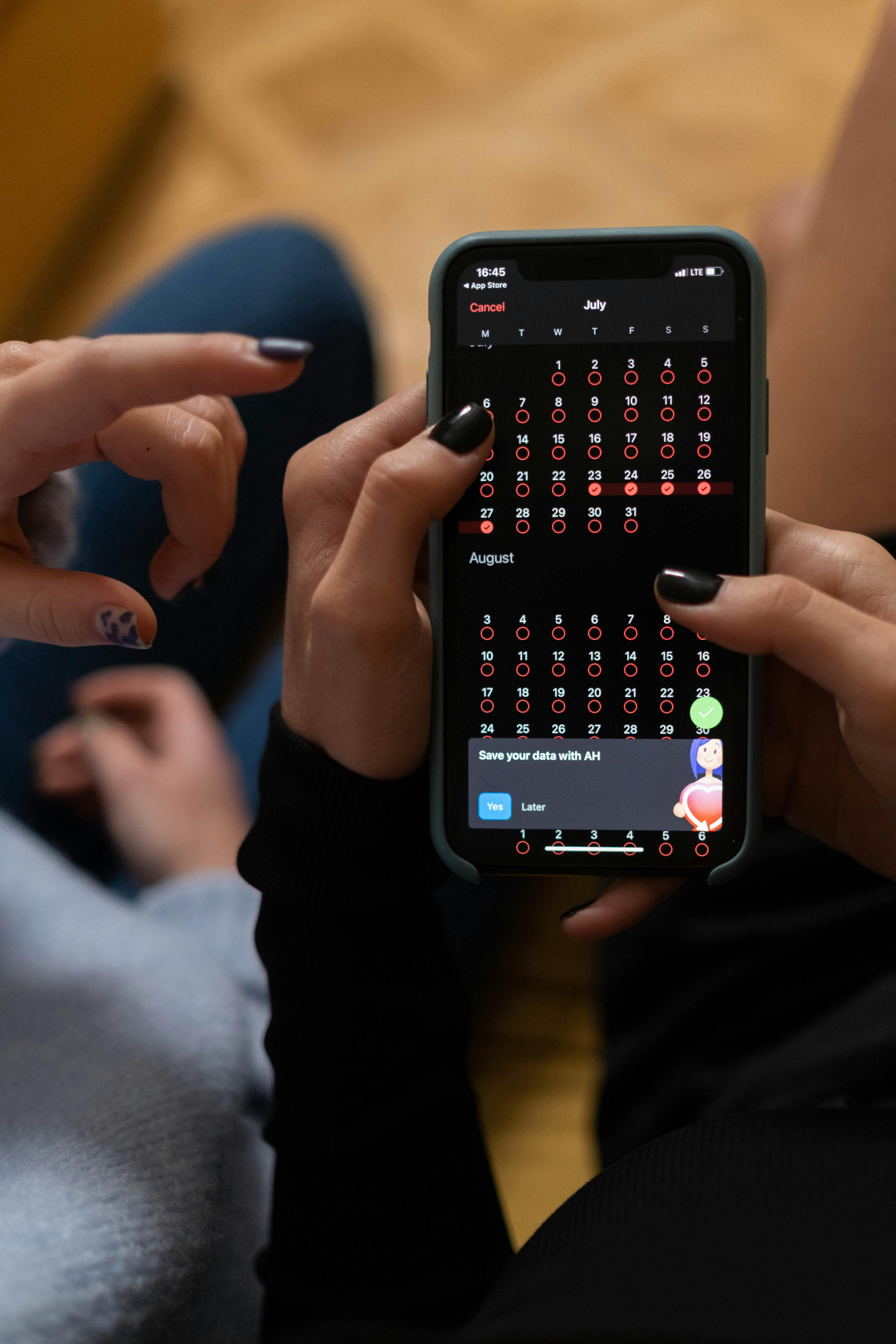
Do you feel a surge of guilt every time you pick up your phone during a study session? You are not alone. Most students believe that a "perfect" study session means locking your phone in another room for five hours. However, for many of us, this extreme approach actually backfires. It creates a sense of deprivation that leads to even more intense doom scrolling study sessions later in the night. The reality is that phone breaks while studying are not the enemy of success. When managed correctly, they can actually serve as a vital reset button for your brain.
In this guide, we will explore how to integrate your digital life into your academic routine in a way that feels healthy. We want to move away from the "shame" of technology and toward a system of productive phone use. By scheduling your TikTok breaks intentionally, you can maintain a higher level of focus over a longer period. This is part of our mission at Vertech Academy: to help you work with your brain, not against it. You don't have to choose between being a good student and being a person who enjoys social media.
By the end of this post, you will have a clear, three-step system for taking phone breaks while studying without losing your momentum. We will look at the science of attention and how to study without checking your phone during the moments that matter most. It is time to stop the cycle of guilt and start mastering your digital habits in 2025. Let's dive into how you can make your phone work for your education, not against it.
Why the "All or Nothing" Approach Fails Students
Many teachers and parents tell you to stay away from your phone entirely. They think that total isolation is the only way to focus. However, research from the American Psychological Association (APA) suggests that the human brain can only maintain "Deep Focus" for about 60 to 90 minutes. After that, our cognitive performance drops significantly. If you force yourself to keep working without any relief, you enter a state of "diminished returns." You are staring at the page, but nothing is going in.
This is where phone breaks while studying can actually be a useful tool. A quick change of environment—even a digital one—can provide a mental "palate cleanser." The problem isn't the phone itself; it is how we use it. If you spend your "break" in a high-stress argument on social media, you aren't resting. But if you use productive phone use strategies to glance at some funny videos or message a friend, you might return to your desk feeling refreshed.
Furthermore, trying to quit your phone "cold turkey" often leads to "rebound effects." This is when you finally pick up your phone and spend three hours in a doom scrolling study haze because you felt so restricted earlier. Specifically, your brain is craving the dopamine it was denied all day. By allowing for planned TikTok breaks, you satisfy that craving in small doses. This makes it much easier to stay on task during your actual study blocks.
Shame creates a negative emotional loop that blocks learning.
Small, planned rewards are more effective than total restriction.
Your brain needs a "cognitive shift" to maintain long-term stamina.
The Psychology of Phone Breaks While Studying
To master phone breaks while studying, we have to understand what happens to our attention span. Every time you switch tasks, you pay a "switching cost." This is the time it takes for your brain to fully re-engage with the new activity. If you check your phone every two minutes, you never reach a state of flow. Consequently, your studying takes twice as long as it should. This is why a random, unplanned check is much worse than a scheduled break.
However, when you schedule phone breaks while studying, you are creating a "boundary." You are telling your brain, "We are going to work hard now, and in exactly 25 minutes, we get a reward." This creates a sense of psychological safety. You no longer have to wonder if you are missing out on anything because you know exactly when you will check. This is a core part of reclaiming your attention span in a world designed to distract you.
Additionally, we have to talk about the "Zeigarnik Effect." This is the tendency of the human brain to remember uncompleted tasks more than completed ones. If you see a notification but don't check it, that "open loop" stays in your mind, stealing your focus. By taking a quick, intentional break, you close that loop. This allows you to return to your books with a clear head. The key is to ensure your productive phone use doesn't turn into a permanent distraction.
Note: A break is only a break if it has a beginning and an end. Without a timer, a five-minute check can easily turn into an hour of doom scrolling study.
How to Schedule Phone Breaks While Studying
The most effective way to manage your time is through the Pomodoro study method. This involves working for 25 minutes and then taking a 5-minute break. During that 5-minute window, you are allowed to check your phone. This makes phone breaks while studying a natural part of the rhythm. After four "Pomodoros," you take a longer break of 20 to 30 minutes.
During the short breaks, we recommend avoiding TikTok breaks because those apps are designed to keep you scrolling forever. Instead, use the 5 minutes for "Low-Stakes" tasks. Reply to a text, check the weather, or change your music. Save the doom scrolling study behavior for your long 30-minute break. This hierarchy of breaks helps you manage your energy levels without falling into a digital rabbit hole.
Meanwhile, you can use our learning planner to map out your day. If you know you have a huge exam coming up, you might want to increase the work blocks to 50 minutes. However, you should also increase the reward. By being honest with yourself about your need for digital connection, you make your schedule more sustainable. Phone breaks while studying become a reward for hard work rather than a sign of failure.
Set a physical timer (not on your phone).
Work for 25-50 minutes with the phone face down.
Take a 5-minute "Light" phone break.
Every 2 hours, take a 30-minute "Deep" digital break.
Avoiding the Doom Scrolling Study Trap
We have all been there. You pick up your phone to check a single notification, and suddenly it is 11 PM and you are watching videos of someone making a giant chocolate cake. This is the doom scrolling study trap. Apps like TikTok and Instagram use algorithms to keep you engaged for as long as possible. To fight this, you need to use "Physical Friction."
One great trick for phone breaks while studying is to set your screen to "Grayscale" mode. Most of the "pull" of social media comes from the bright, vibrant colors. When everything is in black and white, TikTok breaks become significantly less addictive. It is much easier to put the phone down after five minutes when the content looks boring. This is a simple but powerful way to ensure your phone use remains a tool for rest.
Another strategy is to "move" your social media apps. If your thumb automatically clicks on a certain spot when you open your phone, move that app to the third or fourth page of a folder. This creates a "moment of choice." You have to consciously think about opening the app, which gives your "Focus Brain" a chance to override your "Scroll Brain." Maintaining a healthy doom scrolling study balance requires these small, daily hacks.
Turn off non-human notifications (apps, news, sales).
Use "App Limits" in your phone settings to lock you out after a certain time.
Keep your charger in a different room so you can't scroll while "tethered."
Strategies for Productive Phone Use
Your phone doesn't have to be just for entertainment. You can transform it into a high-powered learning device. This is the definition of productive phone use. For example, during your phone breaks while studying, you could use a flashcard app to review five terms. Or, you could use our active listener tool to record a summary of what you just learned. This keeps your brain in "learning mode" while still giving you a break from the textbook.
Furthermore, you can use your phone to "prime" your brain for the next session. If you are about to study biology, spend three minutes of your break looking at a cool science infographic on Instagram. This is a bridge between entertainment and education. It makes the transition back to work much easier. Instead of phone breaks while studying being a complete "shut down" of your academic brain, they become a light "reboot."
According to research from Stanford University, students who use their phones for "Academic Quick-Hits" feel more confident about their knowledge. Specifically, using your phone to look up a quick definition or watch a 2-minute Khan Academy video can solve a problem that might have taken ten minutes to find in a book. This is how you master productive phone use in 2025.
Key Takeaway: Your phone is a tool. If you use it to find information or organize your thoughts, it is your best friend. If you use it to escape reality, it can become a burden.
Better Learning Through Phone Breaks While Studying
Why are we so focused on phone breaks while studying? Because the "overworked" brain is a "forgetful" brain. When you are stressed and tired, your hippocampus—the part of the brain responsible for memory—begins to struggle. Taking a break to laugh at a meme or talk to a friend lowers your cortisol levels. This actually makes it easier for your brain to store the information you just read.
Therefore, a well-timed TikTok break might actually help you remember your history notes better than if you had pushed through the exhaustion. This is the "Guilt-Free" part of our system. You are taking a break because it is scientifically good for your GPA. As long as you follow the rules of the Pomodoro method, you are being a highly efficient student.
Finally, remember that phone breaks while studying are about "sustainable" effort. You aren't just trying to pass one test; you are trying to build a career. If you burn yourself out by being too strict, you will eventually quit. By allowing yourself to enjoy your digital life, you make it possible to study for years without losing your mind. This is the ultimate goal of productive phone use and modern education.
Don't apologize for needing a break.
Use a timer to stay honest.
Focus on the quality of the break, not just the length.
Get back to work with a smile, knowing you've refreshed your mind.
Conclusion
The myth that you must be a digital monk to succeed is finally dying. In 2025, the best students are the ones who know how to manage their attention in a digital world. By scheduling phone breaks while studying, you are taking control of your environment. You are choosing when to focus and when to rest. This level of self-awareness is more valuable than any "phone locker" or "focus app."
At Vertech Academy, we believe in a balanced approach to learning. Whether you are avoiding the doom scrolling study trap or finding new ways for productive phone use, you are making progress. Your TikTok breaks don't have to be a source of shame; they can be a source of energy. As long as you are using our learning planner and staying committed to your goals, you are on the right path.
Remember, the goal of education is to grow your brain, not to punish it. Treat yourself with kindness, follow your schedule, and don't be afraid to put the phone down when the timer goes off. You have the power to be a top student and a social person at the same time. For more tips on how to balance technology and learning, check out our full guide on AI study habits. Happy studying, and happy scrolling!
FAQ
Is it really possible to have productive phone use during study sessions?
Yes, absolutely! Productive phone use is all about intent. If you use your phone to look up a concept on Oxford University’s website or to record a voice note of your thoughts, you are still "in the zone." The key is to avoid apps that are designed for "passive" consumption during your short work breaks. Save the entertainment for your long breaks.
Why do TikTok breaks feel so much longer than five minutes?
The algorithms on apps like TikTok are designed to create a "Time Warp." Because the content is so fast and engaging, your brain stops tracking the passage of time. This is why phone breaks while studying that involve scrolling are so dangerous. If you choose to use TikTok, you must use a separate, loud timer that forces you to put the phone away when the time is up.
How do I stop a doom scrolling study session once it starts?
The best way to stop doom scrolling study behavior is to physically change your environment. If you find yourself stuck, stand up, leave the room, and get a glass of water. This "Physical Reset" breaks the dopamine loop. Once you are away from the screen, it is much easier to decide to go back to your desk and focus on your active recall tasks.
Should I put my phone in another room entirely?
If you find that your self-control is very low today, then yes, putting the phone in another room can help. However, the goal of phone breaks while studying is to build the "muscle" of self-discipline. Eventually, you want to be able to have the phone on your desk without touching it. This skill will be incredibly useful in your future career where you will always have a computer in front of you.
Does Vertech Academy have tools to help with focus?
We do! Our prompts library includes several tools designed to make studying more engaging, which naturally reduces the urge to check your phone. When you are using a "Socratic Tutor" or a "Brainstorming Expert," the work feels like a conversation. This high level of engagement makes phone breaks while studying a reward you actually earn, rather than a distraction you fall into.
You might also like: